

What is Taheebo Tea?
The bark of the Taheebo / Pau d’Arco tree has a long history of use as a wellness tea in South America, with reports predating the Incas. It was favored for its anti-inflammatory, antimicrobial, anticancerous and antileukemic properties and employed to accelerate wound healing, relieve pain, support the immune system, circulation, digestion, and more.
Get your wellness on
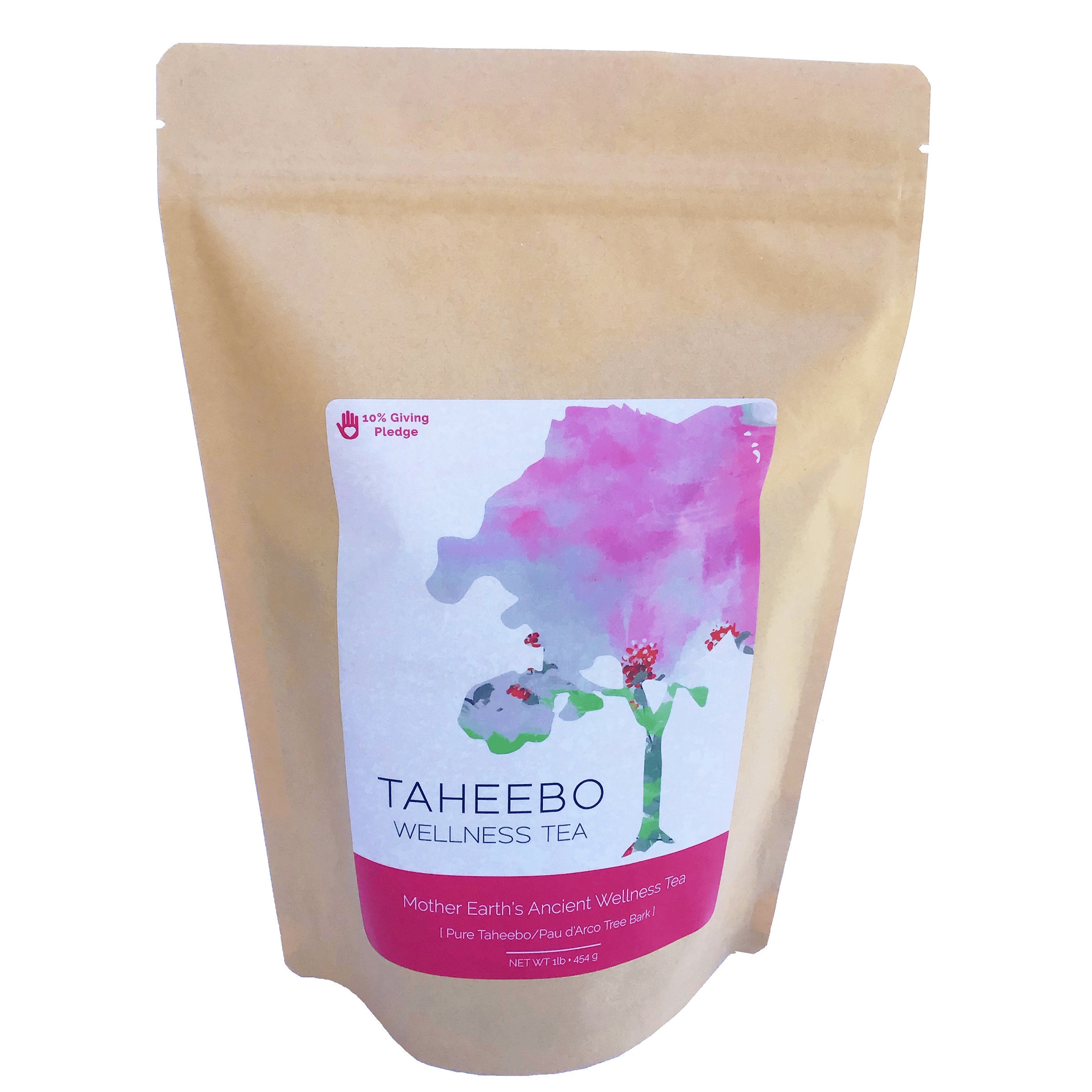







☕ MAKES 100 CUPS OF TEA
One pouch brews 100 cups of wellness
$0.41 per cup {or $0.36 per cup when you purchase 2+ pouches}
🏷️ BUY MORE SAVE MORE
Buy 5 get $10 OFF
Buy 6 get $15 OFF
🚚 FREE US SHIPPING
On orders of 2 or more pouches
✈️ DISCOUNTED INTERNATIONAL SHIPPING
❤️ 7000+ HAPPY CUSTOMERS WORLDWIDE
Taheebo Tea has been used as a wellness tea for centuries in South America. It was favored for its anti-inflammatory, antimicrobial, anticancerous, and antileukemic properties and employed to accelerate wound healing, relieve pain, support the immune system, circulation, and digestion, among others.
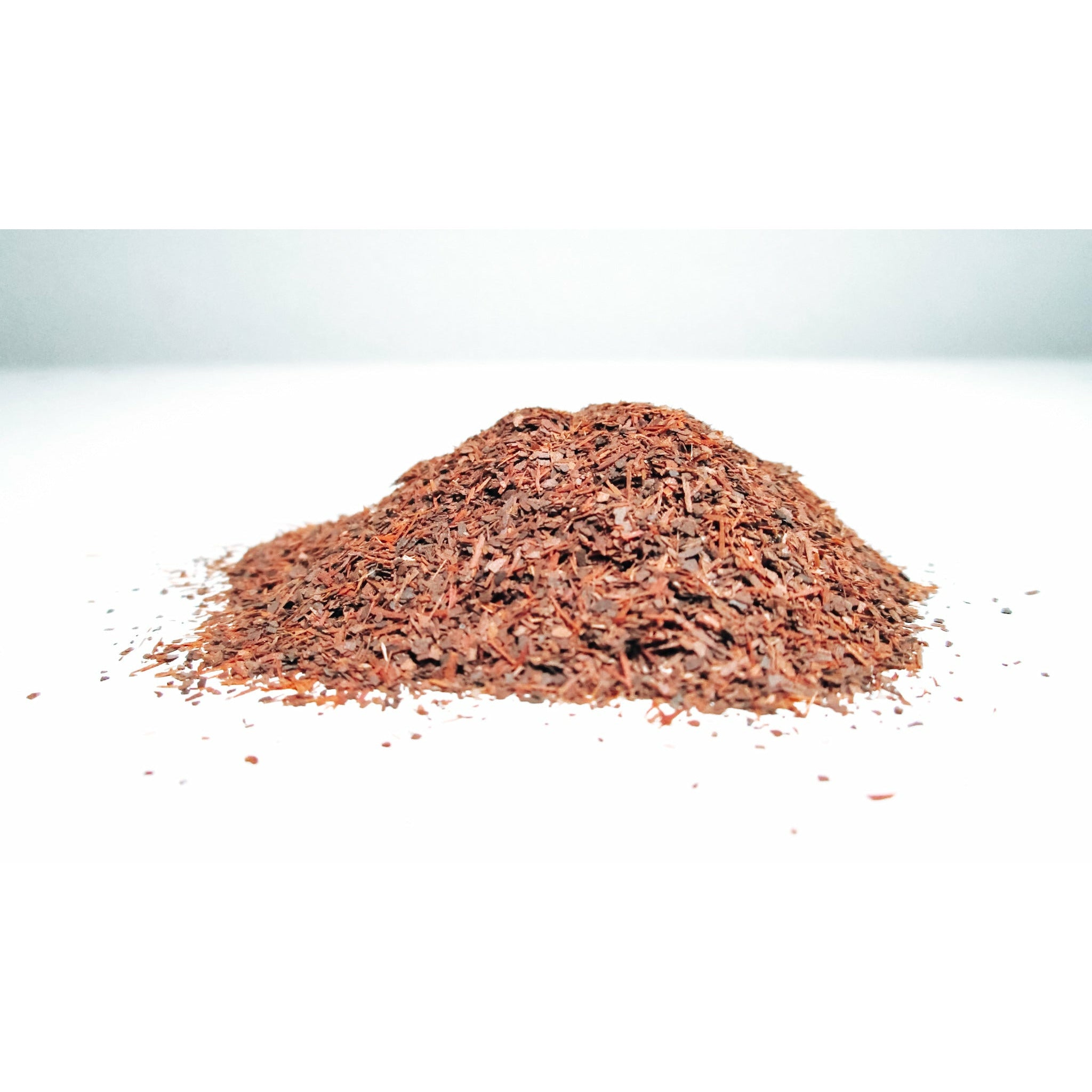
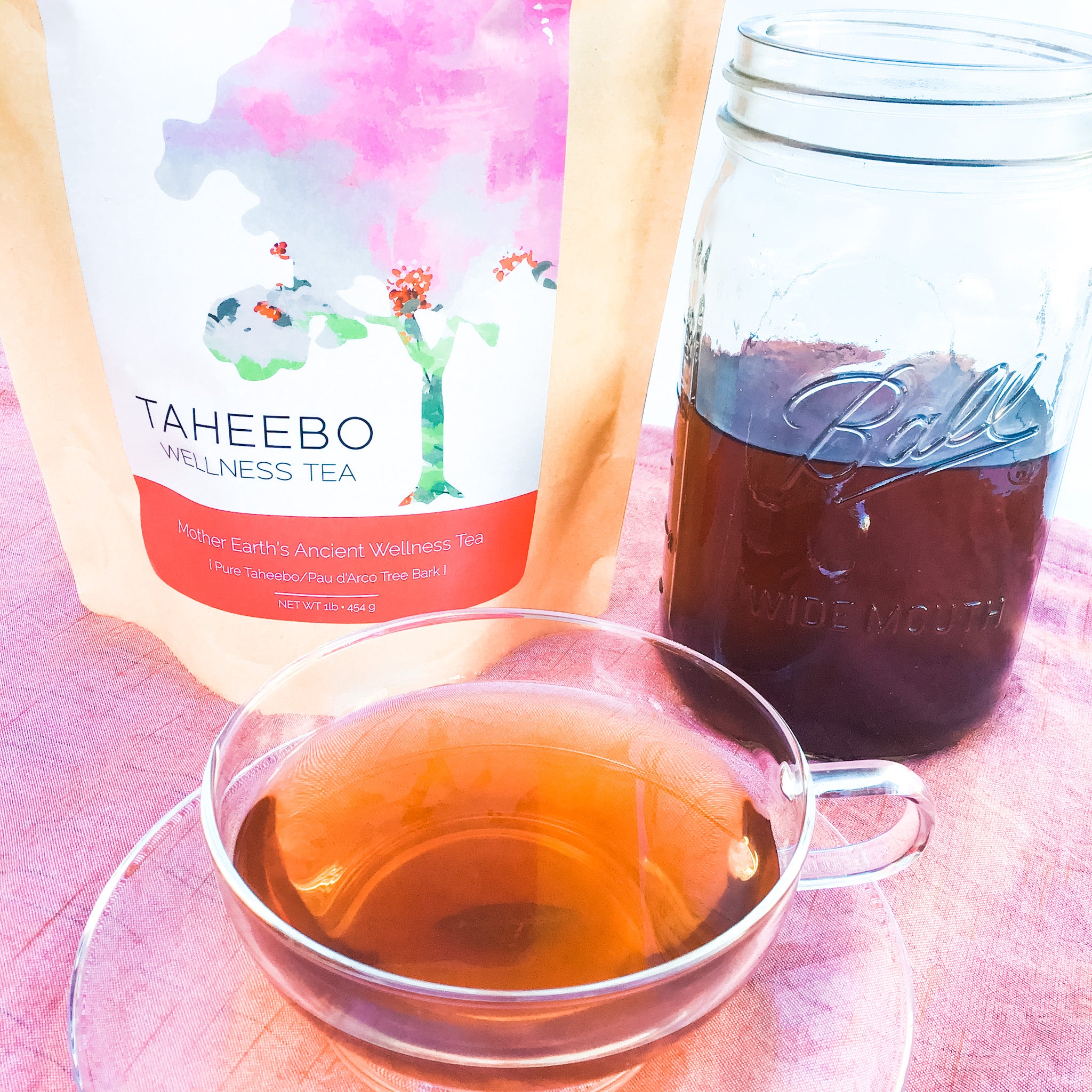
Our Taheebo Wellness Tea is the inner bark of the Tabebuia impetiginosa/avellanedae species of the Taheebo tree (aka Pau d’Arco tree) from Brazil.
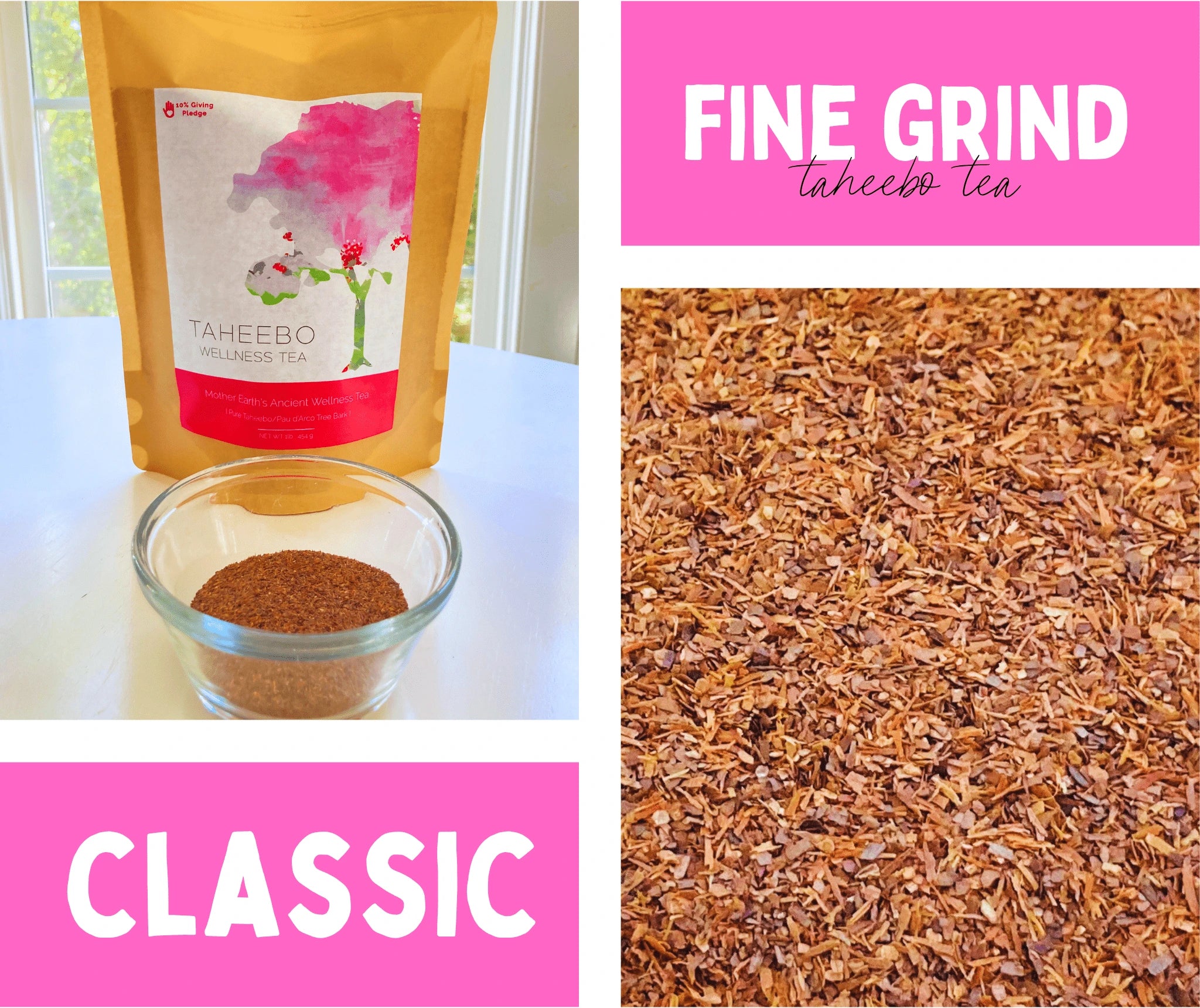
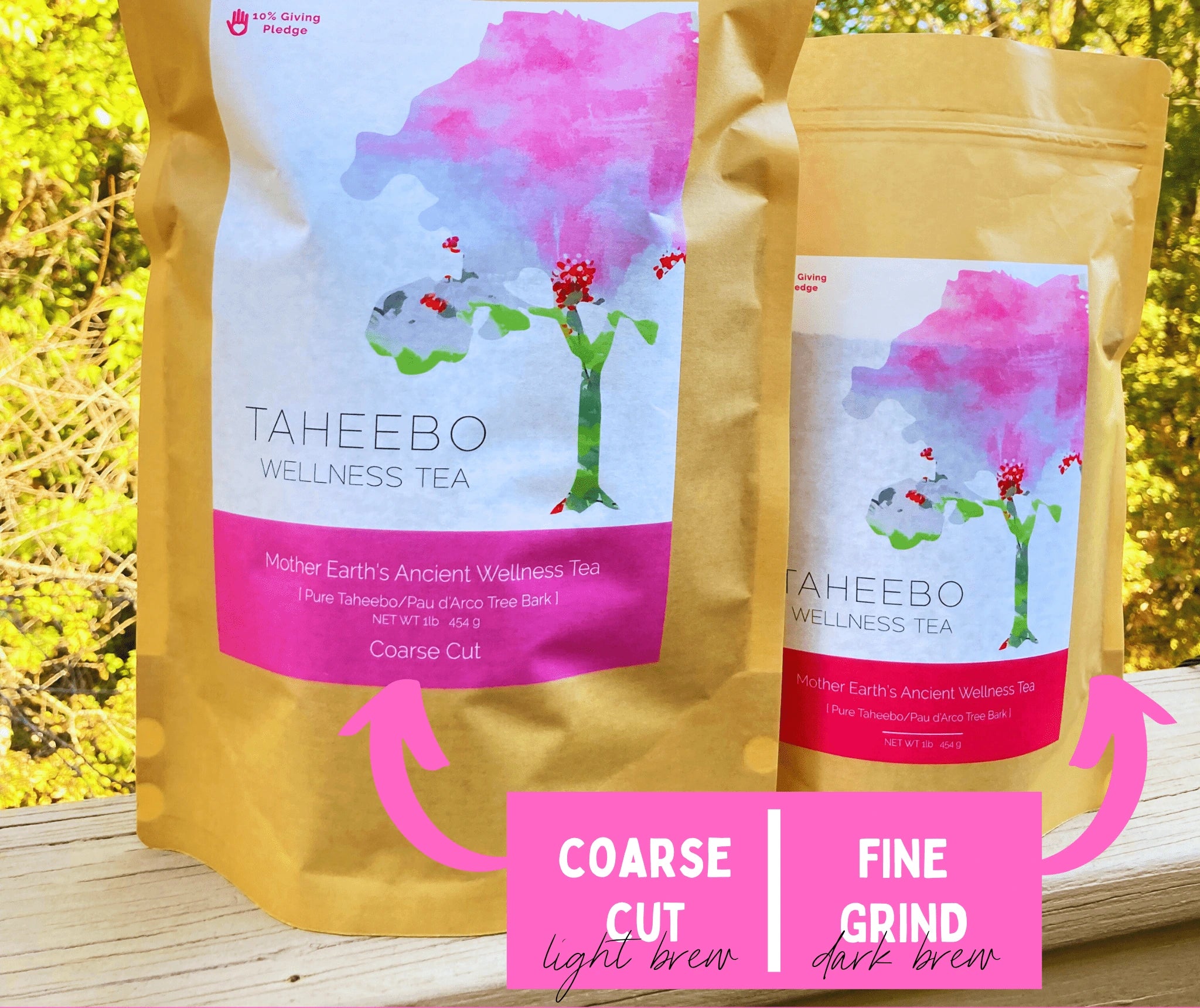
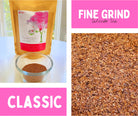
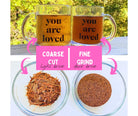
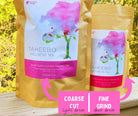
Our {CLASSIC FINE GRIND} tea is our original grind, not commonly found on the market today. When brewed properly, this grind brews a stronger and more potent Taheebo Tea than preparations made with the cut and sift (C/S) styles of tea (see our Coarse Cut Tea). Therefore, you need to use less Taheebo Wellness Tea to prepare a concentrated tea.
We recommend our Fine Grind if drinking Taheebo Tea for chronic conditions. With Fine Grind tea, you can drink fewer cups per day than Coarse Cut to achieve your health goals. A fine mesh filter is recommended for this style.
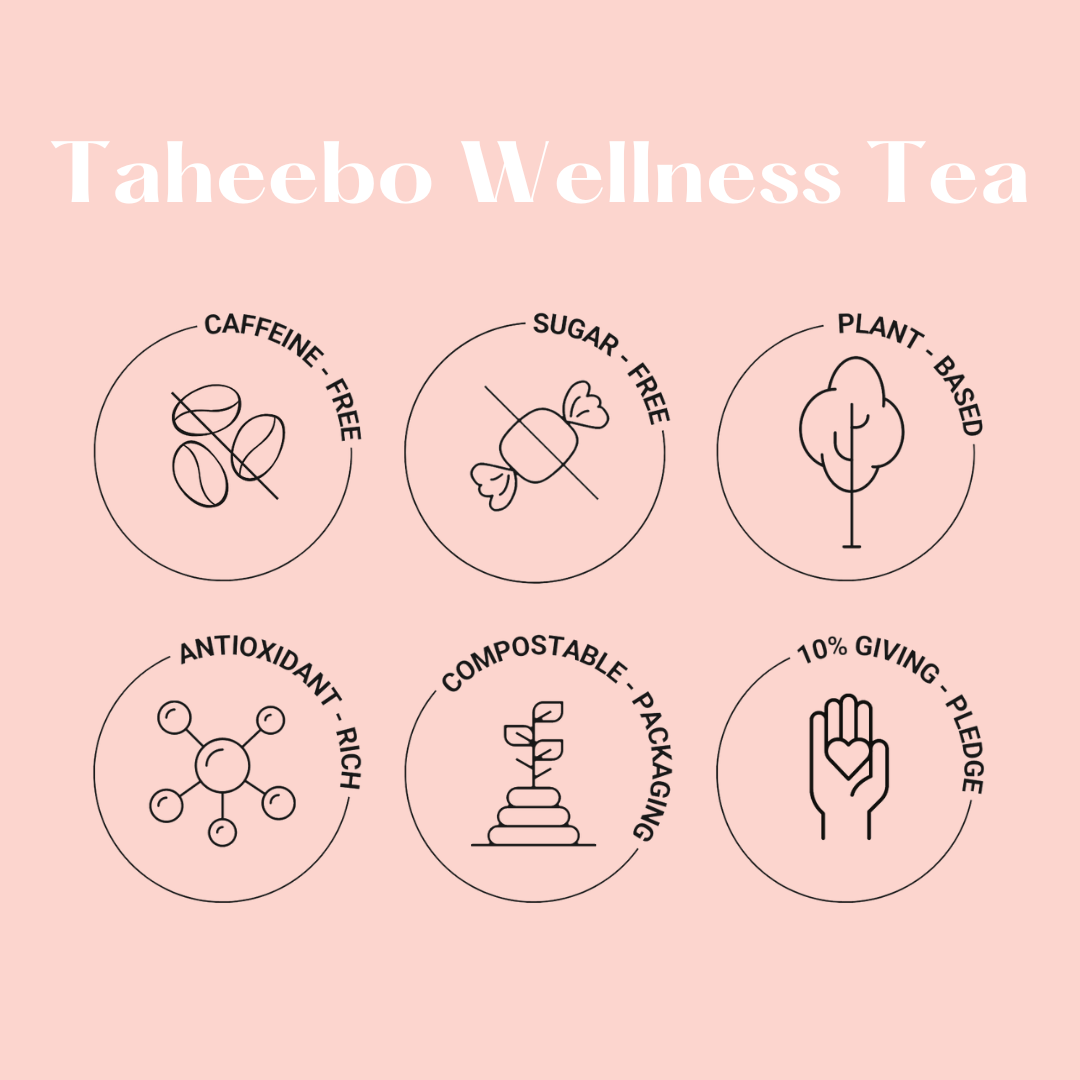
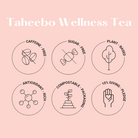
Taheebo Tea is caffeine-free, sugar-free, and vegan.
One 1 lb. pouch of Taheebo Wellness Tea makes 25 quarts of tea = 100 cups
If you drink one cup per day, one pouch lasts 100 days
If you drink two cups per day, one pouch lasts 42 days
If you drink three cups per day, one pouch lasts 28 days
“The bark and wood of the tree are used externally and internally for arthritis, pain, inflammation of the prostate gland, fever, dysentery, boils and ulcers, and various cancers. One of the easiest ways to use Taheebo is by consuming a tea made from the inner bark…"
By Christine Ruggeri, CHHC – Read More on DrAxe.com
*Pregnant women should avoid using this product. Always consult a licensed healthcare practitioner before using new supplements, especially if you are currently on any other medications.


Quality
Our tea is third-party inspected for authenticity (correct tree species), purity, and contaminants (no presence or parasites, chemicals or heavy metals). Our partner is one of the top botanical companies in Brazil. The Brazilian Ministry of the Environment, IBAMA, also inspects and certifies the authenticity of our tea. Upon arrival in the USA, the tea is inspected once again by US Customs and the FDA.
Our customers love Taheebo Wellness Tea! Read their testimonials here.
Resources
Some helpful resources summarizing the benefits of Taheebo/Pau d’Arco:
The Many Health Benefits of Pau D’Arco - DrAxe.com
The Tropical Plant Database: Pau D’Arco - Rain-tree.com
Research articles on Taheebo/Pau d’Arco - PubMed/Medline.
Brewing
Follow our brewing instructions here for our finely ground Taheebo Wellness Tea.
Shipping
We ship our Taheebo Wellness Tea worldwide* from North Carolina. Orders ship the next business day.
USA
Orders for a single pouch of tea will ship for a Flat Rate of $5 for US addresses.
Orders of 2 to 6 pouches will SHIP FREE to the US! This way, you can enjoy your favorite wellness tea without worrying about shipping costs.
For destinations outside the US*, we have several shipping options:
USPS Priority, International Parcel Post, DHL, UPS Standard or UPS Worldwide Expedited.
Please note that choosing UPS Standard may incur additional customs and brokerage fees.
We recommend using USPS Priority or UPS for destinations outside the US*. While International Parcel Post is lower in cost, this shipping method takes longer and does not offer detailed tracking. Items shipped via Parcel Post are not insured and will not be replaced if lost, stolen, or damaged.
EU & UK
(*) Due to the complexity of taxation in the EU & UK we have had to pause shipping to these countries. We will resume shipping Taheebo Wellness Tea to Europe and the UK before the end of 2023.
Sustainability
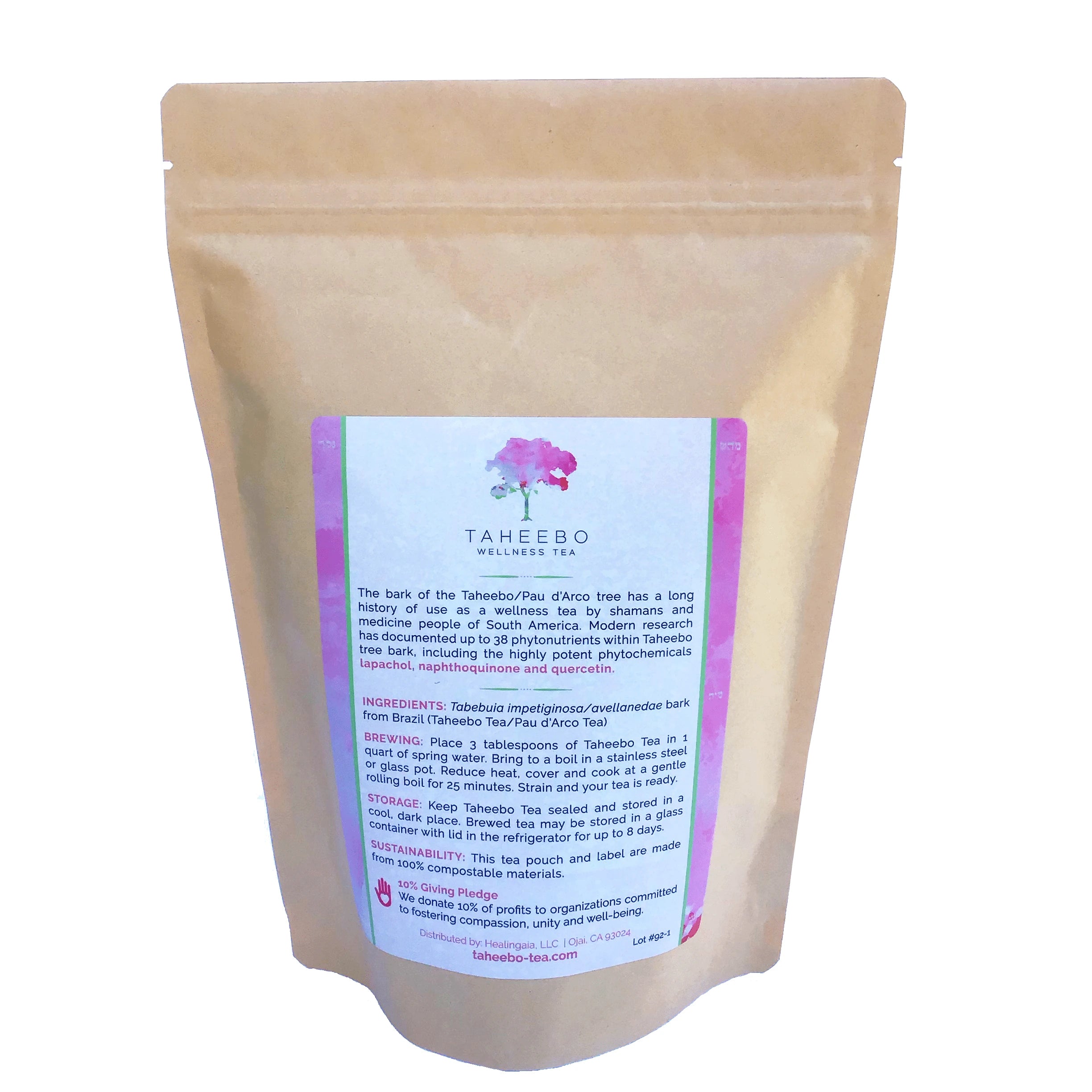
Everything that comes with your Taheebo Wellness Tea is compostable or recyclable. Our tea pouches are made from 100% compostable materials and can be safely composted like any other organic waste. Our shipping boxes and labels are made from 100% recycled content. Please consider first reusing or repurposing your packaging.
For educational purposes only. This information has not been evaluated by the Food and Drug Administration. This information is not intended to diagnose, treat, cure, or prevent any disease.




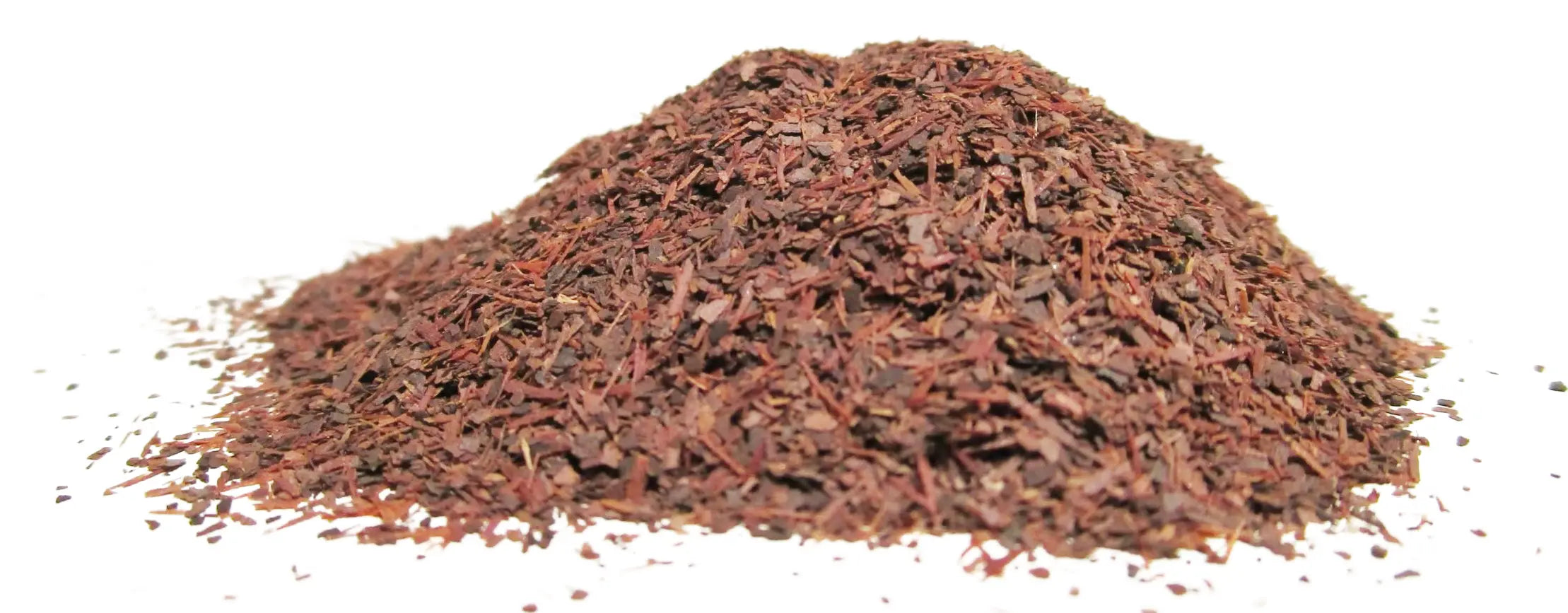
It’s what’s inside (the bark) that counts
Modern research has documented up to 38 phytonutrients within Taheebo tree bark including the highly potent phytochemicals lapachol, naphthoquinone and quercetin.
These powerful antioxidants have demonstrated strong anti-viral, anti-fungal and anti-bacterial effects, making each cup of Taheebo Wellness Tea a powerful immune boosting brew.
The Molecule of Youth
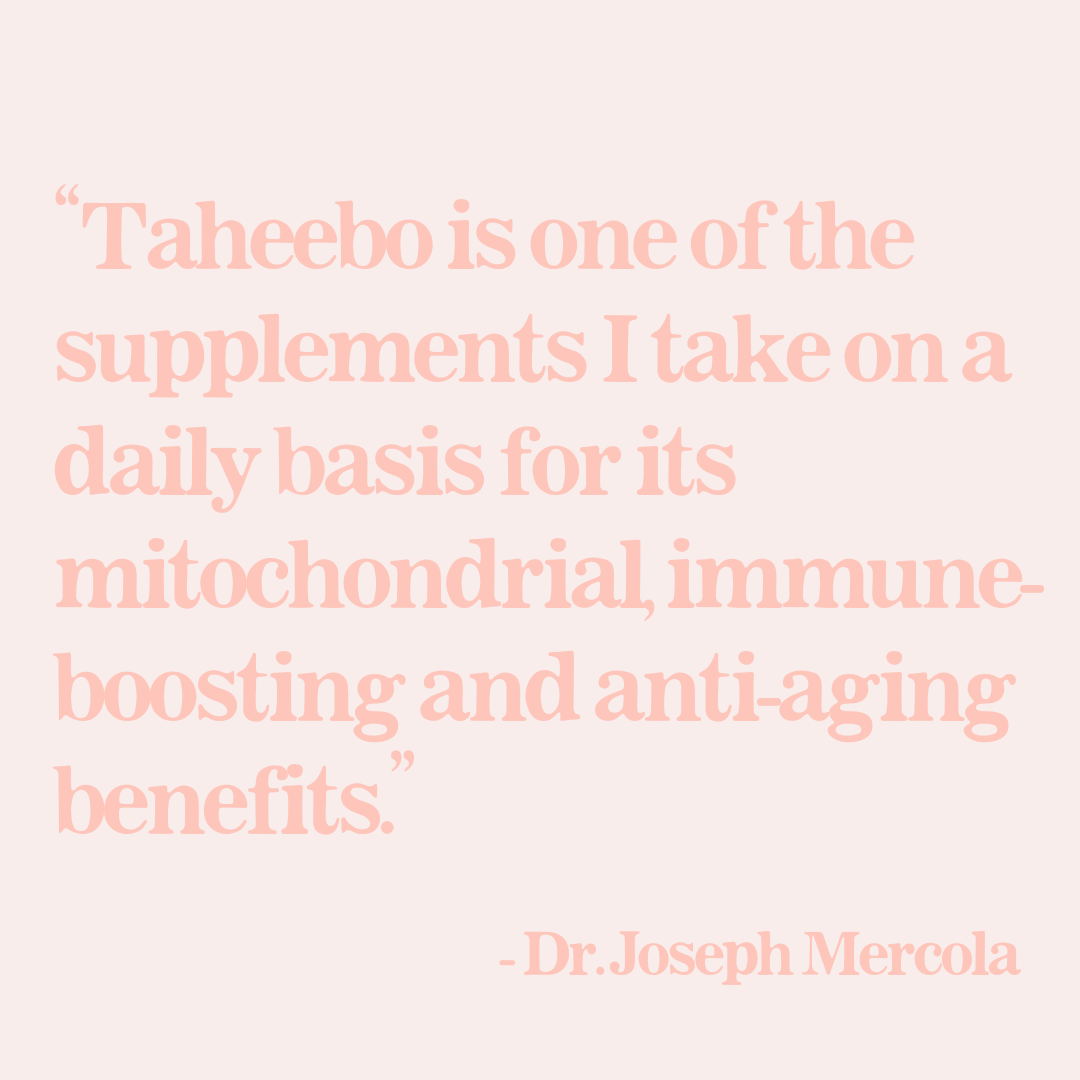
Beta-lapachone, one of the main phytonutrients in Taheebo tree bark, is a potent catalyst for NAD+, also known as the “Molecule of Youth.”
NAD+ (nicotinamide adenine dinucleotide) is one of the most important coenzymes found in every cell of your body. The higher your levels of NAD+, the better because it helps you to slow premature cellular aging and protect your mitochondria.
Let customers speak for us

OUR STORY
We were introduced to Taheebo Tea/Pau d’Arco Tea shortly after Julien was diagnosed with an advanced form of cancer that quickly spread to various parts of his body.
He immediately added three cups of Fine Grind Taheebo Tea to his daily regimen, and then increased to 7 cups per day. This fascinating and powerful medicinal bark was an important component in Julien’s health regimen and strongly contributed to his recovery.
Taheebo Tea remains a daily element of our preventative wellness routine. And we’re on a mission to make this amazing tea available to all those seeking its wellness properties!
Choose Your Taheebo Style
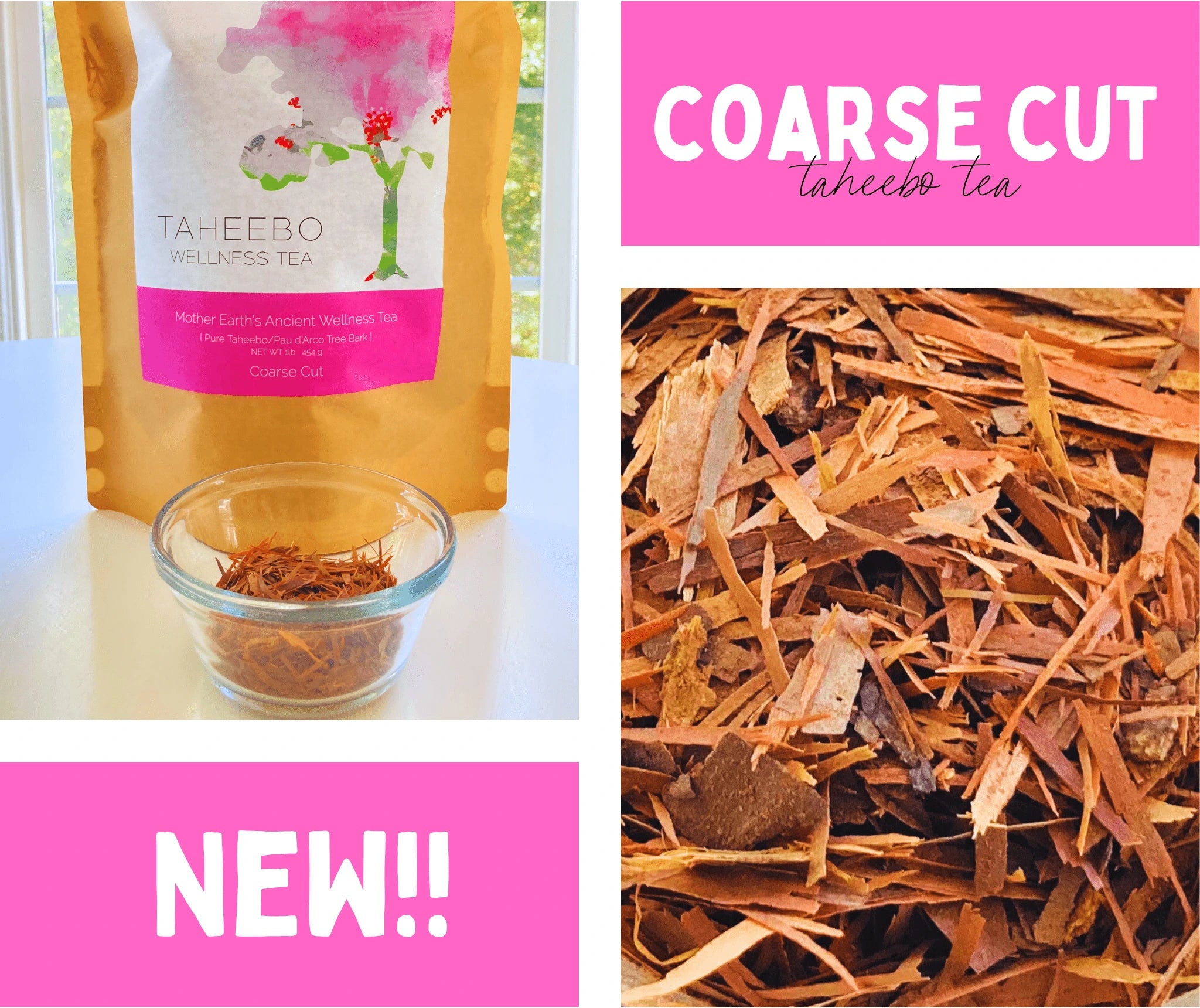
COARSE CUT
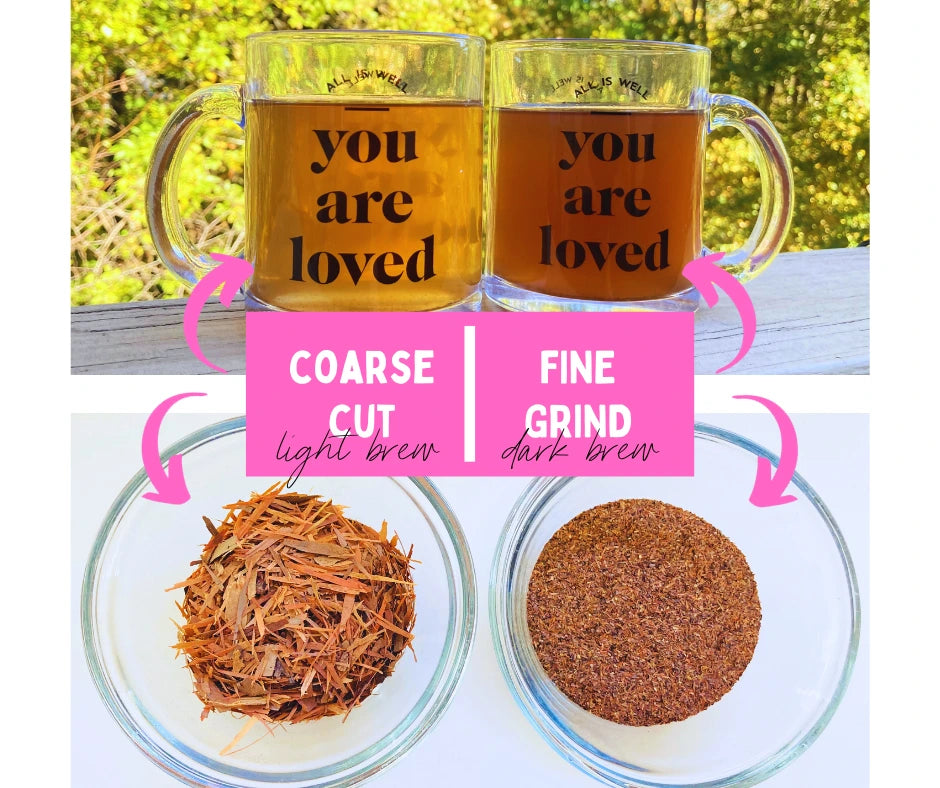
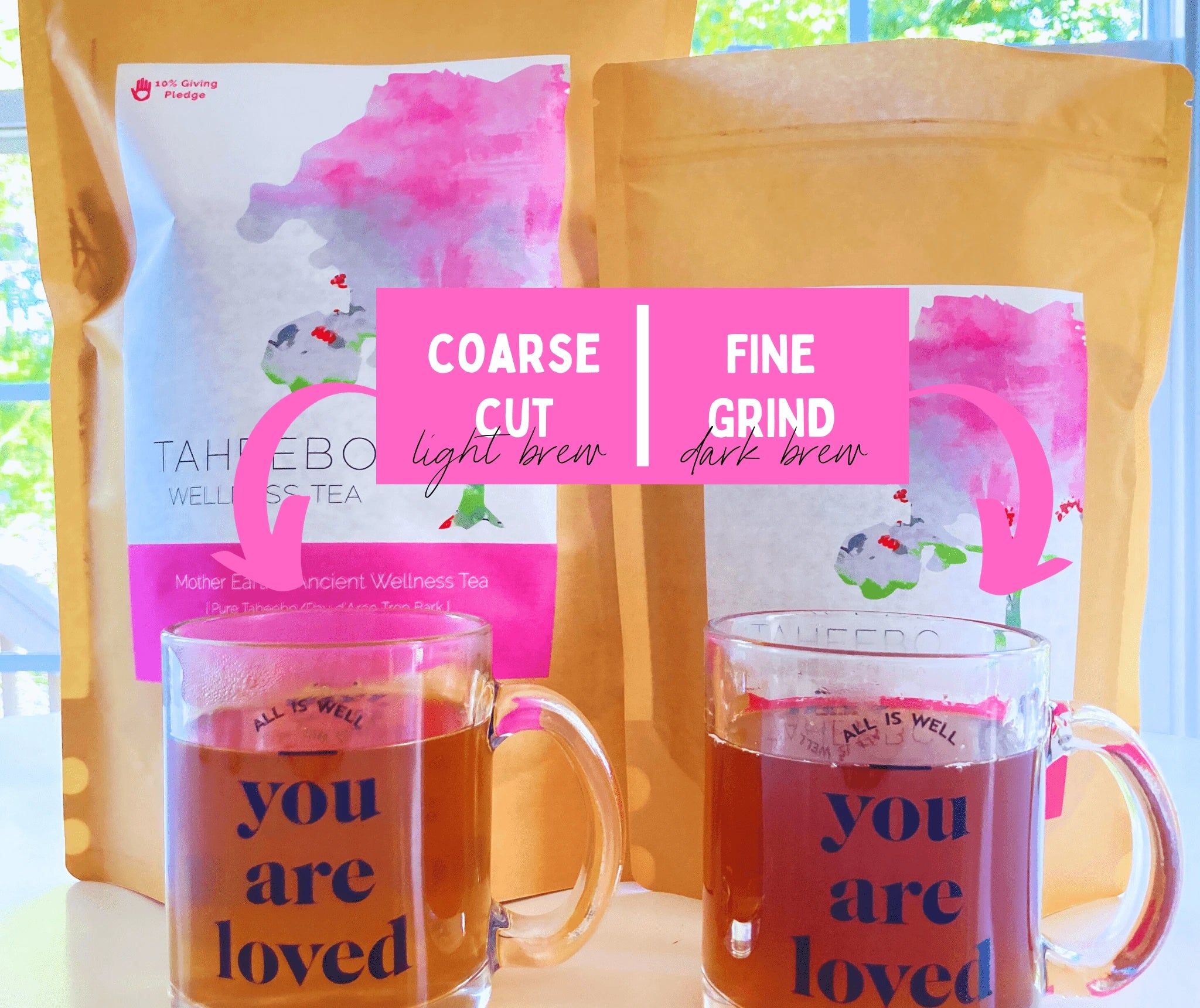
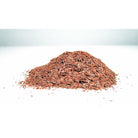
Our {COARSE CUT TEA} is exactly the same Taheebo tree bark as our Fine Grind tea, and differs only in the size/shape of the bark. Coarse Cut is small shreds/sticks of Taheebo bark and brews a lighter tea. A fine mesh filter is not necessary for this style. We recommend our coarse cut tea for those who prefer a lighter brew.
CLASSIC FINE GRIND
Our {CLASSIC FINE GRIND} is our original cut style, and brews a more concentrated tea. A fine mesh filter is recommended for this style. We recommend our Fine Grind if drinking Taheebo Tea for chronic conditions.

Taheebo Tea Recipes

Taheebo “NAD+ Boosting” Tea Recipe
We’ve started to drink our Taheebo Wellness Tea in a new way based on this exciting research and bio hacks by thought leaders in holistic health.
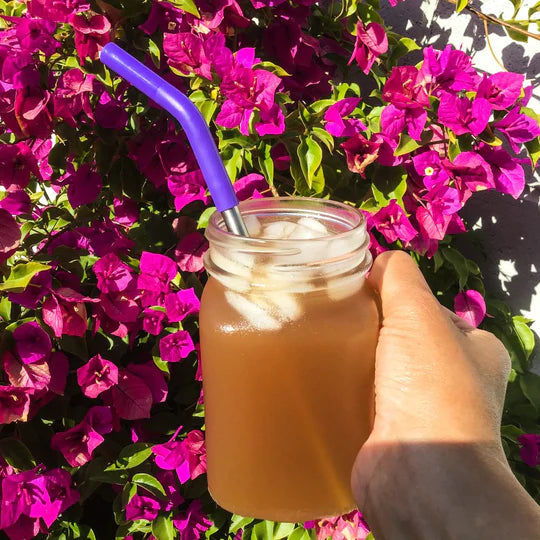
Delicious, Refreshing, Alkalizing & Digestive Taheebo Tea Recipe with a Kick!
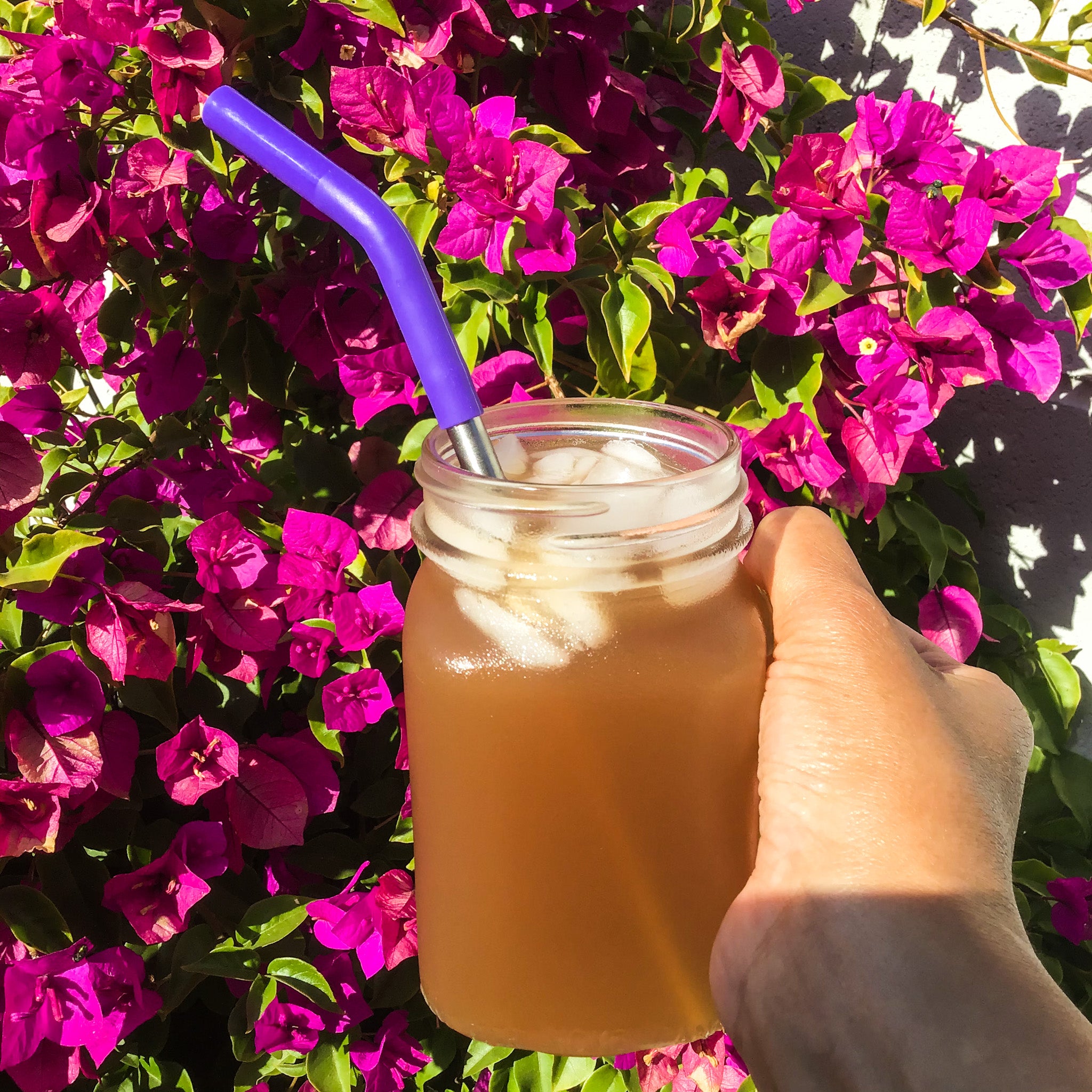
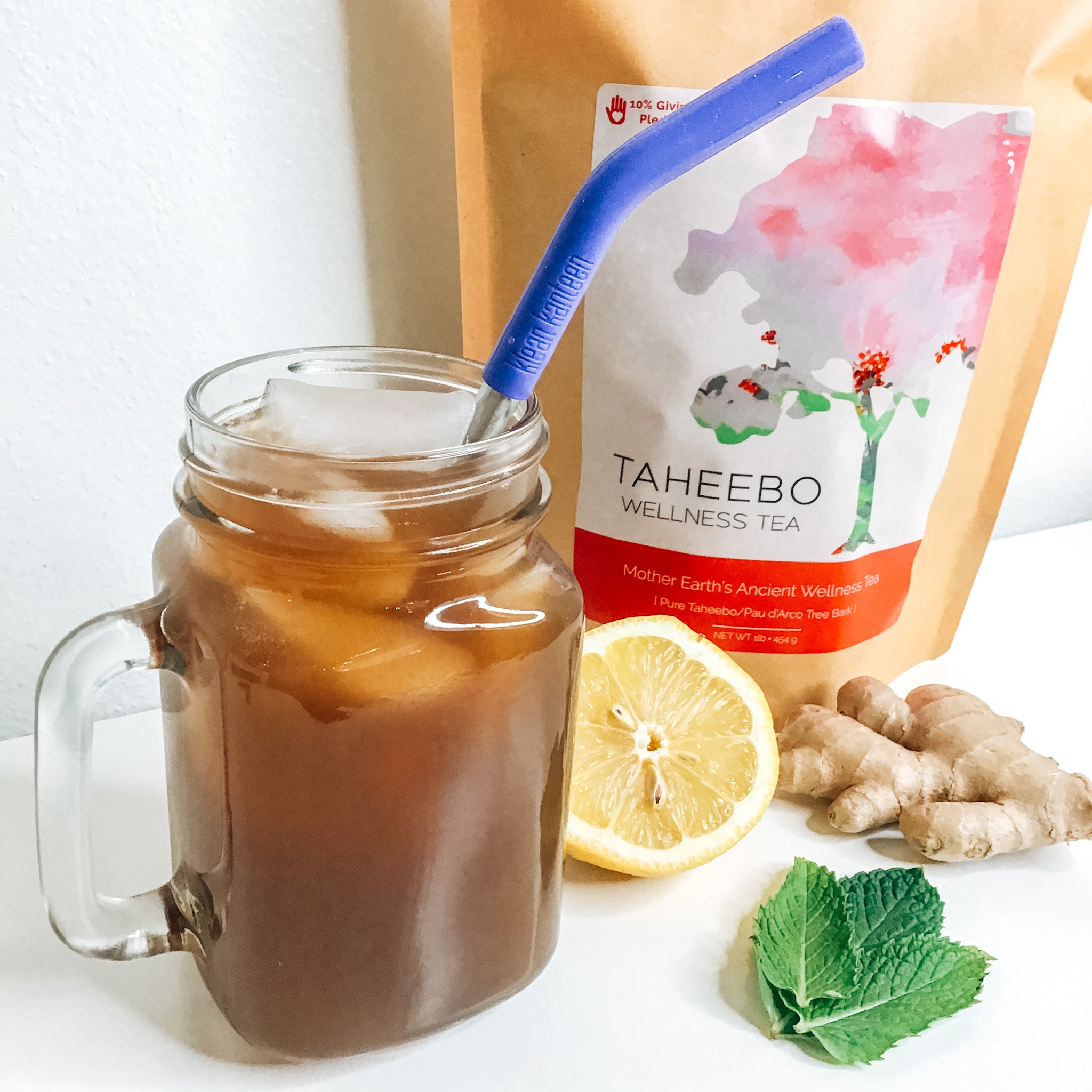
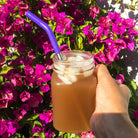
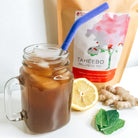
When the summer months roll in, we like having our Taheebo Tea on the rocks 🍹 😉 We find it to be a refreshing way to take in the wellness goodies of this amazing tea each day as the temperatures climb. You may try simply adding some ice to your brewed Taheebo Tea.
Q&A
WHAT ARE THE INGREDIENTS?
Taheebo Wellness Tea has only one ingredient: pure ground bark from the Tabebuia avellanedae tree. No additives, no preservatives.
DOES TAHEEBO WELLNESS TEA CONTAIN CAFFEINE?
No. Taheebo Tea is caffeine-free.
IS THERE SUGAR IN TAHEEBO WELLNESS TEA?
No. Taheebo Tea is pure bark and does not contain any sugar.
WHAT DOES IT TASTE LIKE?
Taheebo Tea is pure bark, which gives it an earthy taste. We like it as is, but feel free to add your favorite organic sweetner if you like. We recommend giving our NAD+ boosting recipe - it tastes like coffee!
HOW MUCH DOES ONE POUCH MAKE?
One pound of bark makes approximately 100 cups of Taheebo Tea.
HOW MUCH DOES IT COST?
One pound of Taheebo Wellness Tea is $36. Let's compare the price of one cup of Taheebo Wellness Tea versus some popular daily hot drinks (prices include average shipping to US addresses).
Taheebo Wellness Tea = $0.41 per cup
Starbucks Tall Cafe Latte = $2.85 per cup
Mud Wtr = $1.66 per cup
Kind of a no-brainer, right?
HOW MUCH AND HOW OFTEN DO YOU DRINK?
Customers drinking for general wellness and prevention drink one to two cups of Taheebo Tea per day. Others with more serious conditions may choose to drink anywhere from three to eight cups per day.
WHAT IS THE DIFFERENCE BETWEEN FINE GRIND AND COARSE CUT TAHEEBO TEA?
Our classic {FINE GRIND} tea is a fine Taheebo tea grind, not commonly found on the market today. When brewed properly, this grind brews a stronger and more potent Taheebo Tea than preparations made with the cut and sift styles of tea. Therefore, you need to use less bark to prepare a concentrated tea.
Our {COARSE CUT} tea is a limited batch, available for a short time. It is exactly the same tree bark as our Fine Grind tea, and differs only in the size/shape of the bark. (Coarse Cut is small shreds/sticks of Taheebo bark, while Fine Grind is finely ground bark). Our Coarse Cut tea brews a lighter tea.
WHAT ARE THE DIFFERENT WAYS TO DRINK TAHEEBO TEA?
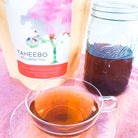
We enjoy Taheebo Tea hot, as is. It can also be enjoyed on ice with fresh lemon juice, or hot with MCT for an extra NAD+ boost. Read more Taheebo Tea recipes.
WHAT ARE THE BREWING INSTRUCTIONS?
Add three tablespoons of bark to 4 1/2 cups of water, cover and boil for 25 minutes. Read the full brewing instructions here.
WHAT IS A SHARING POUCH?
It's a great way to share Taheebo Wellness Tea with friends and family! Add 3 tablespoons to the small sharing pouch we provide with each order and give it to a loved one in need of wellness support.
IS YOUR PACKAGING ECO-FRIENDLY?
Yes! Our pouches are backyard compostable. And our shipping boxes are recyclable.
WHAT IS THE 10% GIVING PLEDGE?
We believe in giving back and donate 10% of profits to organizations committed to fostering compassion, unity and wellbeing. Our current list is available here.